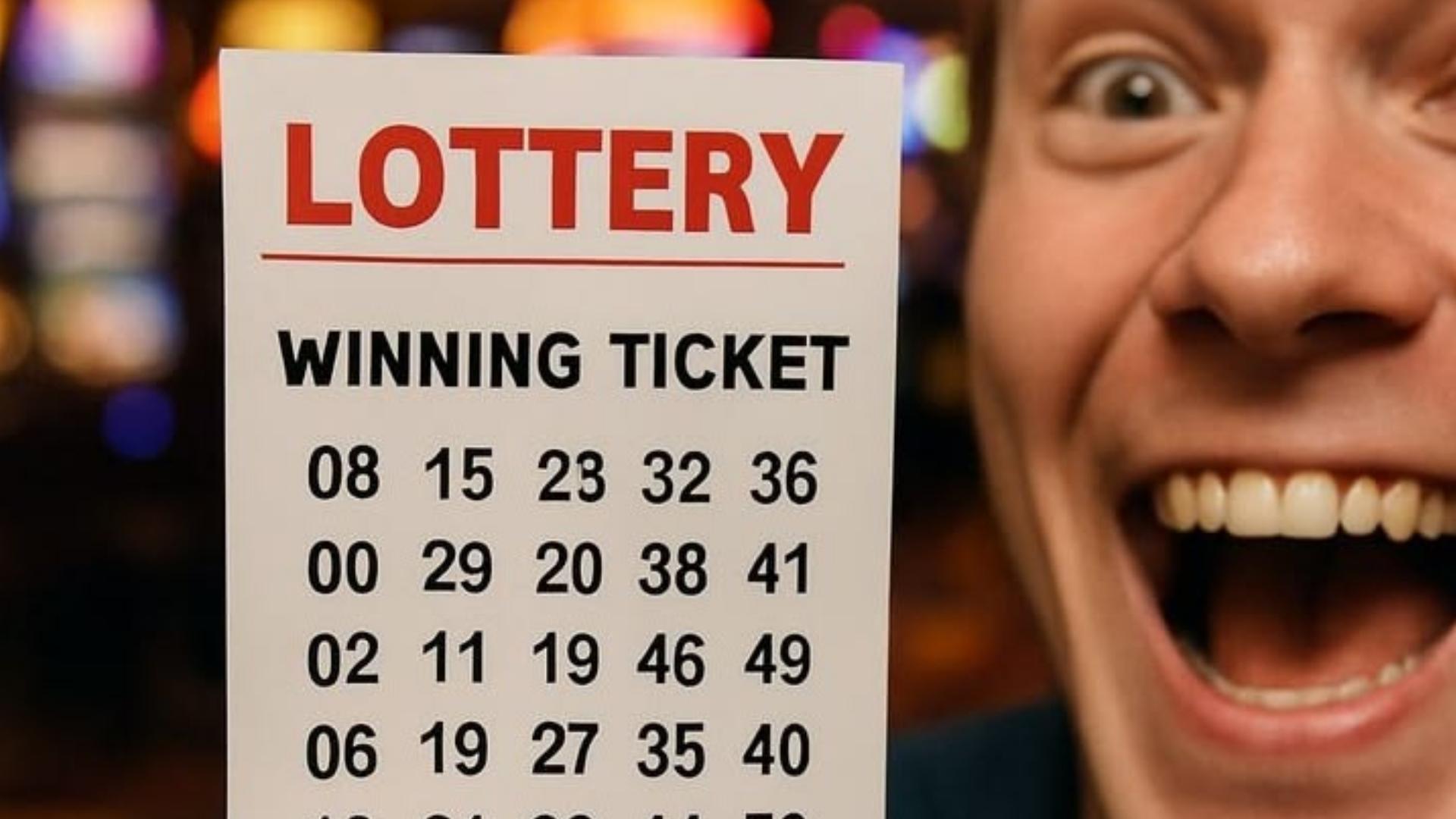
Keno is a highly engaging lottery-style game that combines simple number selection with diverse payout options for players worldwide. Understanding how the combination of selected spots and actual catches influences your reward structure is essential for an optimal experience. By learning the correlation between choices and successful draws, participants can approach the gaming table with greater strategic clarity.
The Core Mechanics of Spot Selection
Before any numbers are drawn, players must decide exactly how many spots they want to play on a standard eighty-number grid. Most modern variations allow enthusiasts to choose anywhere from one to ten numbers, though some versions expand this limit further. The quantity of your initial selections establishes the specific tier of requirements you must meet during the round.
Choosing more numbers inherently shifts the benchmark for securing a return on your original wager. For instance, a player picking ten numbers faces a completely different tier structure than someone who selects only three spots. This baseline decision dictates the theoretical risk and matching requirements for the rest of the game session.
How Catch Requirements Define Payouts
A catch occurs whenever a number selected on your ticket aligns perfectly with one of the twenty numbers drawn by the house. The specific prize levels available to a player are determined by how many successful catches are achieved during a single draw event. Generally, hitting a higher ratio of selected numbers leads to a larger exponential payout return.
Interestingly, some configurations reward players even if they fail to hit a single number on a high-spot ticket. For example, a ten-spot ticket might offer a minor consolidation prize for catching absolutely zero numbers due to the mathematical improbability of that outcome. Many casual gamers review detailed options on trusted hubs like M88 slot to examine how different digital variants handle these specific mechanics.
Balancing Risk and Reward Levels
Finding a comfortable balance between prize potential and winning frequency is a key element of sustainable session planning. Lower spot selections, such as playing two or three numbers, offer highly achievable requirements but feature modest maximum payouts. These options are ideal for enthusiasts who prefer a steady stream of smaller, more frequent returns over time.
On the opposite side of the spectrum, high-spot selections target massive prize pools that require a significant sequence of successful catches. While the allure of top-tier rewards is strong, the probability of hitting every single requirement remains mathematically low. Evaluating your personal entertainment goals will help you decide which spot structure fits your preference best.
Consulting the Paytable Before Playing
Every digital platform and traditional lounge utilizes a unique paytable that explicitly outlines match requirements and corresponding financial rewards. Reviewing these reference charts beforehand ensures there are no surprises regarding what constitutes a winning combination. Slight variations in these rules can significantly alter the overall return percentages over an extended session.
Because payout policies differ across regions and software providers, making informed comparisons is always a smart habit. Dedicated study of these prize levels allows you to manage your session budget with absolute confidence and realistic expectations. Ultimately, treating the game as a form of structured entertainment ensures a rewarding experience regardless of the final draw outcomes.